Table of Contents
- Tennessee Home Selling
- Which Areas in Tennessee Offer the Best Return on Investment and Are Easiest for Residential Property Development?
- What Home Styles, Sizes, and Features Tend to Sell Fastest in the Tennessee Market?
- What Should Home Sellers Know About Zoning Laws, Permits, and Regulatory Requirements in Tennessee?
- Which Towns or Cities in Tennessee Are the Easiest, and Hardest, When It Comes to Navigating Real Estate Regulations?
- What Are the Most Effective Flipping and Resale Strategies for Maximizing Profit in Tennessee's Housing Market?
- How Should Sellers Price Their Homes to Attract Buyers While Maximizing Value in Tennessee?
- Which Key Economic, Social, and Regulatory Factors Are Driving Current Trends in Tennessee's Local Property Markets?
Tennessee Home Selling

Tennessee's housing market remains competitive and relatively affordable, offering attractive upside for investors and homebuyers. The median home sale price in September 2025 stood at approximately $390,000, below the national median of $435,000 and in line with neighboring Georgia ($373,500) and North Carolina ($380,000).
Across the state, roughly 7,500 homes sell each month after spending a median of 65 days on the market. This figure represents a slowdown compared with the prior year, and trails the national median of 51 days.
On the supply side, Tennessee issued roughly 6.21 new residential construction permits per 1,000 residents, putting it well above the U.S. average and signaling robust building activity aimed at addressing growing demand.
The average effective property tax rate in the state is 0.55%, ranking it in the lower tier nationally and below the U.S. median of about 0.83%. In addition, Tennessee does not impose a state income tax, making it an attractive target for both real estate investors and homeowners seeking opportunities to save.
Tennessee's foreclosure rate of 1 in every 2,682 housing units also sat below the national median (around 1 in 1,850) in Q3 2025, highlighting more stability than seven of its eight neighbors (only Mississippi reported a lower foreclosure rate during the period).
Which Areas in Tennessee Offer the Best Return on Investment and Are Easiest for Residential Property Development?

Tennessee offers solid opportunities for real estate investors looking to grow their investment portfolios. These opportunities are available in urban and suburban areas with varying degrees of return on investment (ROI). If you're an investor looking to generate the highest potential ROI in Tennessee, you may want to consider the following areas:
-
Nashville: As the largest city in Tennessee, Nashville's booming job market and robust tourism drove prices up 18% year over year. It continues to be a top pick for investors seeking both flips and rentals.
-
Memphis: Memphis combines some of Tennessee's lowest entry prices with rent-to-price yields north of 7%, thanks to steady logistics and healthcare employment driving rental demand.
-
Chattanooga: Chattanooga's downtown revitalization, tech-sector growth, and scenic riverfront havefueled annual price growth and strong buyer interest in mixed-use developments.
-
Knoxville: Knoxville's affordability, coupled with perpetual student and faculty housing demand near the University of Tennessee, make it ideal for stable rentals and long-term holds.
-
Murfreesboro: Murfreesboro, one of Tennessee's fastest-growing cities, sees population surges from Nashville commuters and MTSU students,driving solid price appreciation and supporting a tight rental market.
-
Franklin: Franklin's preserved historic downtown, high-income residents, and proximity to Nashville support steady appreciation, with median home prices rising to $650,000 and projections of continued growth.
-
Brentwood: Brentwood's upscale neighborhoods, stringent zoning, and affluent buyer pool support 7%-8% average annual appreciation on $700,000 estates and virtually zero vacancy in premier subdivisions.
-
Johnson City: Johnson City median prices soared to an all-time high of $367,675 in September 2025 as buyers seeking affordable housing, economic opportunities, and outdoor recreation activities flocked to the Appalachian Mountain community. Rental demand from East Tennessee State University and steady healthcare and manufacturing jobs continue to create robust development and appreciation prospects.
-
Clarksville: With Fort Campbell military demand, a $300,000 median price, and 4% annual price growth alongside $1,600 average rents, Clarksville offers consistent cash flow and easy subdivision potential.
-
Hendersonville: Hendersonville's home values surged 40.6% in just five years, spurred by lakeside appeal and Nashville-metro spillover. With a population of around 64,000, this Sumner-county city delivers exceptional upside potential for new residential projects.
What Home Styles, Sizes, and Features Tend to Sell Fastest in the Tennessee Market?
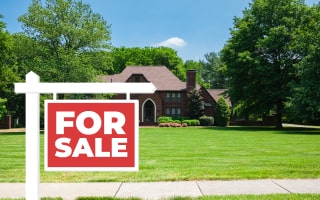
The real estate market in Tennessee is moderately competitive, with the typical home lingering on the market for about 65 days. The length of time a property spends on the market is largely influenced by factors such as home size, features, and style. Homes that sell fastest in the Tennessee housing market typically have the following characteristics:
-
![]()
Bedrooms: 3-bedroom homes are consistently among properties that sell quickly in Tennessee. This is because such homes hit the sweet spot between affordability and functional living space, appealing to young families and first-time buyers. Compared with larger 4- to 5-bed properties, 3-bedroom homes often sell 15%-20% faster, largely because buyers appreciate a move-in-ready home without the additional expense of extra square footage.
-
![]()
Size and Lot: Sub-2,000-square-foot homes on lots no larger than 0.25 acres are in high demand in Tennessee's urban and suburban markets, such as Nashville, Chattanooga, and Memphis. These compact footprints reduce acquisition and maintenance costs, attracting budget-conscious buyers focused on managing bills and minimizing commute times, and translating to faster offer cycles.
-
![]()
Style: Ranch and bungalow styles remain favorites for speedy sales due to their single-story, open layouts that attract aging buyers and young families alike. Mid-century modern revivals and Craftsman-inspired facades in historic neighborhoods, such as East Nashville and Franklin, also command interest by blending nostalgic charm with functional floor plans.
-
![]()
Modern Upgrades: Incorporating key upgrades often helps sellers shave days off the market for their listed properties. For instance, homes with a doorbell camera sell 5.1 days faster. Other upgrades that reduce time on the market include soapstone countertops (-3.8 days), open kitchen shelving (-3.5 days), and hardwood floors (-2.4 days).


What Should Home Sellers Know About Zoning Laws, Permits, and Regulatory Requirements in Tennessee?
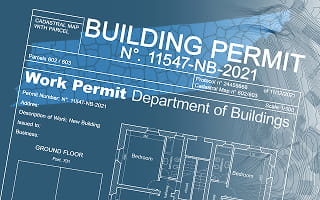
Zoning laws differ for many cities and municipalities in Tennessee, meaning that the regulatory landscape impacting the use of land in each locale varies. Therefore, real estate developers and home sellers should always verify local zoning districts, land-use rules, and permit obligations before undertaking a new project.
To avoid legal surprises and protect themselves, buyers often request a zoning verification letter. A zoning verification letter (or in some counties, a zoning compliance letter) is a municipal certification that includes a property's permitted uses, variances, unresolved violations, and restrictions.
Real estate investors and developers in Tennessee should take note of the following areas and the varying strictness of their zoning laws:
Areas with strict zoning laws: These areas usually enforce strict zoning requirements restricting the construction of certain homes or properties.
-
Nashville (Davidson County): Metro Nashville's zoning code tightly regulates building height, lot coverage, and permitted uses, including overlay districts around downtown and Music Row.
-
Collierville (Shelby County): Collierville enforces a Unified Development Code that prescribes lot sizes, permitted accessory structures, and architectural design guidelines.
Areas with less bureaucratic zoning laws: These locations have looser requirements, helping investors avoid having to jump through too many hoops.
-
Unincorporated Areas of Hickman and Perry counties: Many Tennessee counties have not adopted countywide zoning under TCA Title 13, Chapter 7, leaving unincorporated parcels effectively unzoned and streamlining minor renovations and home-based business approvals.
-
Sevier County (outside Gatlinburg/Pigeon Forge): Outside its municipal limits, Sevier County relies solely on building-code permits; no zoning rules apply, so interior remodels and accessory-structure additions often proceed with only health-department septic and well approvals.
-
Lewis County: In rural Lewis County, local governments issue only basic building permits; sellers need only meet state construction-code standards, not multilayered zoning reviews, for most residential improvements.
Areas requiring a special permit via public hearing and approval from the zoning board: These areas generally require a special permit when a proposed real estate project fails to align with permitted zoning.
-
Chattanooga (Hamilton County): Planned Unit Developments and conditional uses demand both a site-plan review by the Regional Planning Agency and a public hearing before the Chattanooga Zoning Hearing Examiner or Board of Zoning Appeals.
-
Murfreesboro (Rutherford County): By ordinance, accessory dwelling units and variances, such as side-yard reductions, must go before the Zoning Board of Appeals, with neighboring property owners notified in advance of the hearing date.
Areas where a Certificate of Occupancy is mandatory before legal occupation: In these locations, a Certificate of Occupancy (CO) is mandatory before legal occupation on a property.
-
Memphis (Shelby County): Commercial and multiunit properties must obtain a Certificate of Use and Occupancy from Shelby County's Construction Code Enforcement office.
-
Sevier County (Within City Limits): Pigeon Forge and Gatlinburg enforce CO requirements before closing or lease-up.
Areas with Historic Commission Oversight: Developers in these locations are often required to apply to the historic preservation commission in the municipality for a Certificate of Appropriateness (COA) before renovating a property or changing its exterior appearance.
-
Murfreesboro Historic Zoning Commission (Rutherford County): Exterior alterations in designated districts must be reviewed and approved by the nine-member Historic Zoning Commission.
-
Franklin Historic Commission (Williamson County): Renovations within Franklin's local Historic Districts must adhere to the Secretary of the Interior's Standards and secure Historic Commission approval.
Which Towns or Cities in Tennessee Are the Easiest, and Hardest, When It Comes to Navigating Real Estate Regulations?

To secure solid ROI in the Tennessee housing market, home sellers and developers need to understand important state and local regulations to ensure ongoing compliance. Following these standards can help investors and sellers avoid legal penalties and maximize property value.
Some areas in the state are more development friendly and don't impose restrictive requirements; however, other areas have bureaucratic procedures that limit developers and investors. That's why it's critical to understand the specific local requirements in the municipality where you intend to develop or build a property.
Development-Friendly Areas

- Hickman and Perry Counties (Unincorporated): These rural counties have not adopted countywide zoning under TCA Title 13, Chapter 7. Hence, most home improvements and accessory structures simply need state building-code permits and not multilayered land-use approvals.
- Sevier County (Outside Gatlinburg and Pigeon Forge): Beyond city limits, only septic, well, and basic building permits apply. With no local zoning boards, small-scale residential projects sail through in weeks instead of months.
- Lewis County: With no zoning ordinances and only statewide construction-code oversight, both interior remodels and lot splits proceed with minimal red tape.
Moderately Regulated Areas

- Murfreesboro (Rutherford County): Standard single-family builds follow clear zoning rules, but accessory dwelling units (ADUs) and minor variances must go before the Zoning Board of Appeals, typically with a one-month review cycle.
- Knoxville (Knox County): Most residential uses fit right in, yet short-term rentals, duplex conversions, or conditional uses require a Special Use Permit and a single public hearing in front of the Board of Zoning Appeals.
- Chattanooga (Hamilton County): Home-site developments under three units per acre are typically by-right and approved relatively easily. However, planned developments and live-work units invoke a site-plan review and require a public hearing with the Regional Planning Commission and final approval from Chattanooga's City Council.
Highly Restrictive or Bureaucratic Areas

- Nashville (Metro Davidson County): A patchwork of overlay districts, downtown, historic areas, and Music Row, means any change in use, height, or facade triggers a public notice period and review by the historic commission or planning commission.
- Franklin (Williamson County): Historic Downtown Overlay guidelines mandate a Certificate of Appropriateness from the Historic Zoning Commission for every exterior alteration, in addition to a building-permit clearance.
- Collierville (Shelby County): The municipal code prescribes strict lot-size, setback, and architectural guidelines; deviations require a formal variance application, neighborhood notices, and a public hearing.
Regulatory Climate Factors

Real estate regulations vary by location in Tennessee, meaning that these laws shape the housing market in ways that determine how easy or hard it is to develop, renovate, or flip a property. Hence, understanding the regulatory factors in each Tennessee municipality will help investors determine how and where to invest in the state's housing market.
| Factor | Impact on Development | Where It's Found |
|---|---|---|
Zoning Flexibility |
Determines ease of land use |
Memphis (particularly in Orange Mound and Uptown), Chattanooga, and Clarksville |
Historic Preservation Laws |
Adds restrictions |
East Nashville, Franklin, Germantown (Nashville), and Downtown Chattanooga |
Wetlands/Conservation |
Limits buildable land |
Knoxville (South Waterfront), Shelby County, and Chattanooga Riverfront |
Inclusionary Zoning |
Requires affordable units |
Nashville-Davidson County (certain overlay districts) |
Building Code Enforcement |
Affects cost/speed |
Nashville, Franklin, Brentwood, and parts of Murfreesboro |
Local Politics/NIMBYism* |
Blocks or delays projects |
Brentwood, Belle Meade (Nashville), Collierville, and Franklin |
*NIMBYism - Not in My Backyard
What Are the Most Effective Flipping and Resale Strategies for Maximizing Profit in Tennessee's Housing Market?

To succeed as an investor in the dynamic housing market in Tennessee, you must adopt a fitting flipping or resale strategy. However, investors who want to maximize ROI must be aware of the local market conditions, and where and when each strategy is most effective.
-
![]()
Target Distressed or Foreclosed Homes: Memphis and Clarksville often have the highest volumes of foreclosures and bank-owned (REO) properties, allowing experienced flippers to pick up homes well below market value and capture gross profits averaging $95,000 per flip.
-
![]()
Try Wholetailing for Speed: Wholetailing involves making minimal cosmetic improvements before relisting the property. This strategy works particularly well in suburban Tennessee markets like Murfreesboro, Mt. Juliet, or Clarksville, where demand is high and homes sell quickly, even with basic updates.
-
![]()
Apply the 70% Rule to Protect Profit Margins: The 70% Rule, where the maximum purchase price equals 70% of the after-repair value (ARV) minus repair costs, remains a cornerstone for profitable flipping in Tennessee. It's particularly useful in competitive cities like Nashville, where overpaying even slightly may erode returns due to rising construction and holding costs.
-
![]()
Use the Buy, Rehab, Rent, Refinance, Repeat (BRRRR) Method: In local markets such as Knoxville and Murfreesboro, purchasing distressed homes, rehabilitating them to market standards, leasing to reliable tenants, then refinancing on the increased equity supports rapid portfolio expansion.
-
![]()
Add Value When Flipping: In urban neighborhoods of Nashville and Chattanooga, obtaining zoning approval to convert single-family houses into multiunit dwellings or add bedrooms and living space may generate significant equity appreciation.
-
![]()
Stage and Price Strategically: In vacation destinations such as Gatlinburg and Pigeon Forge, as well as in luxury suburbs in Williamson County, professional staging and pricing just below common round-number thresholds can reduce days on market and improve sale prices.
-
![]()
Target FHA 203(k) Buyers: If your flip is almost move-in ready, marketing it to FHA 203(k) loan buyers helps attract younger homeowners looking to finance their purchase and renovation costs with a single loan.
-
![]()
Explore Auction and Off-Market Buying Strategies: County tax lien sales, estate auctions, and off-market wholesaler deals often have properties priced 20%-50% below retail. With low state property taxes and no state income tax, Tennessee offers legal and financial advantages for acquiring and holding such properties.
-
![]()
Renovate with Quality - Don't Cut Corners: Today's buyers in Tennessee, especially in growth corridors like Franklin, Nolensville, and Chattanooga, are well informed. Subpar flips with cheap finishes and undisclosed problems are less likely to sell fast or fetch top dollar. Professional design, energy-efficient upgrades, and attention to detail now define successful flips.
-
![]()
Build Strong Deal Pipelines with Lead Generation: In the Nashville metropolitan area, combining direct mail to absentee owners, targeted online advertising, and local real-estate networking sustains a reliable flow of motivated seller leads.


How Should Sellers Price Their Homes to Attract Buyers While Maximizing Value in Tennessee?

Setting the right price is one of the most important steps in attracting qualified buyers and maximizing profit in the diverse Tennessee housing market. If you intend to sell a home and overprice the listing, you increase the chances of the property sitting on the market for much longer than it should. Conversely, if you underprice the property, you could risk missing out on the maximum possible sale price. To achieve the right balance, smart sellers tailor their pricing strategy to local market conditions and buyer psychology. This is often achieved in consultation with a local real estate agent or appraiser who will analyze active, pending, and recently sold comparables within the last 90 days.
The following guide offers insight into the most effective pricing strategies used across Tennessee, with area-specific insights on where and how the strategies are commonly applied:
-
![]() Pricing Just Below Below Market Thresholds: This involves pricing the home slightly under the ideal selling price for the specific type of property. If similar properties sell for $300,000, you can adjust the price to $290,000 to increase visibility in MLS searches and attract more buyers. This strategy is effective in starter-home markets and areas with many first-time buyers, including Clarksville, Antioch, Murfreesboro, and East Knoxville.
Pricing Just Below Below Market Thresholds: This involves pricing the home slightly under the ideal selling price for the specific type of property. If similar properties sell for $300,000, you can adjust the price to $290,000 to increase visibility in MLS searches and attract more buyers. This strategy is effective in starter-home markets and areas with many first-time buyers, including Clarksville, Antioch, Murfreesboro, and East Knoxville.
-
![]() Charm Pricing (Psychological Pricing): This involves using psychological pricing that ends in numbers like "900" or "990" to make the home feel more affordable. For example, listing a home for $249,900 instead of $250,000 can attract buyers looking for perceived value, particularly in family-oriented neighborhoods. It works well in suburban communities such as Mt. Juliet, Smyrna, Hendersonville, and Johnson City, where home prices are mid-range and competition is strong.
Charm Pricing (Psychological Pricing): This involves using psychological pricing that ends in numbers like "900" or "990" to make the home feel more affordable. For example, listing a home for $249,900 instead of $250,000 can attract buyers looking for perceived value, particularly in family-oriented neighborhoods. It works well in suburban communities such as Mt. Juliet, Smyrna, Hendersonville, and Johnson City, where home prices are mid-range and competition is strong.
-
![]() High-Anchor Pricing (Test the Waters): This strategy involves pricing at the top of the market range with the expectation of negotiating down or attracting a buyer seeking move-in-ready quality. It works well in markets like Brentwood, Belle Meade, and Downtown Chattanooga, where luxury buyers expect higher-quality finishes and may pay a premium for turnkey homes.
High-Anchor Pricing (Test the Waters): This strategy involves pricing at the top of the market range with the expectation of negotiating down or attracting a buyer seeking move-in-ready quality. It works well in markets like Brentwood, Belle Meade, and Downtown Chattanooga, where luxury buyers expect higher-quality finishes and may pay a premium for turnkey homes.
-
![]() Price-Per-Square-Foot Benchmarking: Price-per-square-foot benchmarking uses price-per-square-foot comparisons in areas where homes have similar sizes and features to keep pricing competitive and justified. This method helps support the list price with clear market comparisons, which is especially useful when buyers scrutinize price details. It works well in homogenous markets (such as planned subdivisions or condo developments) including areas like Spring Hill, Cordova, Collierville, and Farragut.
Price-Per-Square-Foot Benchmarking: Price-per-square-foot benchmarking uses price-per-square-foot comparisons in areas where homes have similar sizes and features to keep pricing competitive and justified. This method helps support the list price with clear market comparisons, which is especially useful when buyers scrutinize price details. It works well in homogenous markets (such as planned subdivisions or condo developments) including areas like Spring Hill, Cordova, Collierville, and Farragut.
-
![]() Appraisal-Backed Pricing: Here, the price is set close to the expected appraisal value to mitigate issues with FHA, VA, or conventional loan underwriting. This method reduces the odds of contracts falling through due to appraisal gaps, which is especially important when targeting buyers who rely on financing. This method may prove most effective in markets like Knoxville, Clarksville, and Memphis, where many buyers use government-backed loans and are sensitive to appraisal-based limits.
Appraisal-Backed Pricing: Here, the price is set close to the expected appraisal value to mitigate issues with FHA, VA, or conventional loan underwriting. This method reduces the odds of contracts falling through due to appraisal gaps, which is especially important when targeting buyers who rely on financing. This method may prove most effective in markets like Knoxville, Clarksville, and Memphis, where many buyers use government-backed loans and are sensitive to appraisal-based limits.
-
![]() Net-to-Seller Pricing: This method involves working backward from the desired net proceeds, subtracting agent commissions, closing costs, and payoffs to set a realistic asking price. It keeps expectations in check and aligns the asking price with the seller's financial goals, minimizing delays or price cuts. Net-to-seller pricing works well in a rising interest-rate environment, and in areas such as Jackson and Chattanooga, where buyers are more price-sensitive and sellers must be realistic.
Net-to-Seller Pricing: This method involves working backward from the desired net proceeds, subtracting agent commissions, closing costs, and payoffs to set a realistic asking price. It keeps expectations in check and aligns the asking price with the seller's financial goals, minimizing delays or price cuts. Net-to-seller pricing works well in a rising interest-rate environment, and in areas such as Jackson and Chattanooga, where buyers are more price-sensitive and sellers must be realistic.
-
![]() Urgency Pricing (Motivated Seller Strategy): Here, the seller lists the property below market value to attract quick offers, which is often useful in time-sensitive situations like pre-foreclosure, probate, or relocation. This strategy appeals to investors and bargain hunters and can prevent homes from lingering on the market. It works well in outlying counties and older neighborhoods in Columbia, Cleveland, and Memphis, where distressed inventory and cash buyers are more common.
Urgency Pricing (Motivated Seller Strategy): Here, the seller lists the property below market value to attract quick offers, which is often useful in time-sensitive situations like pre-foreclosure, probate, or relocation. This strategy appeals to investors and bargain hunters and can prevent homes from lingering on the market. It works well in outlying counties and older neighborhoods in Columbia, Cleveland, and Memphis, where distressed inventory and cash buyers are more common.


Note that local market dynamics in Tennessee dictate the optimal home-pricing approach. The table below provides information on the recommended strategy for each set of market conditions:
| Market Condition | Best Strategy |
|---|---|
Seller's Market |
Underpricing for a bidding war |
Buyer's Market |
Charm pricing or net-to-seller |
Unique, luxury home |
High-anchor + value justification |
Entry-level home |
Just-below threshold |
Urgent sale needed |
Aggressive urgency pricing |
Flipper or investor listing |
Appraisal-backed or price-per-square-foot benchmarking |
Which Key Economic, Social, and Regulatory Factors Are Driving Current Trends in Tennessee's Local Property Markets?

Certain factors play a critical role in shaping the trends of Tennessee's real estate market, especially at the local level, where conditions for demand and supply may differ widely across cities, towns, and regions. These factors not only influence the overall direction of the housing market in the state but also define the unique characteristics of local property markets throughout Tennessee.
![]() Economic Factors
Economic Factors
 Economic Factors
Tennessee's strong economic growth, driven by a $500 billion-plus GDP, robust expansions in manufacturing and healthcare, and one of the nation's lowest unemployment rates, supports ongoing housing demand in the state. These factors, along with the absence of a state income tax, help attract nearly 100,000 new residents each year. Meanwhile, year-over-year home-price growth of more than 8% demonstrates sustained buyer appetite, even amid higher interest rates.
![]() Demographic and Social Factors
Demographic and Social Factors
 Demographic and Social Factors
Rapid inbound migration from higher-cost states, the rise of remote work, and large student populations in Knoxville and Murfreesboro have reshaped demand for single-family homes and rental properties. Multigenerational living trends and growing interest in energy-efficient designs further influence buyer preferences for homes with in-law suites, sustainability upgrades, and walkable neighborhood amenities.
![]() Regulatory and Legal Framework
Regulatory and Legal Framework
 Regulatory and Legal Framework
Local zoning and land-use regulations, enforced by county and municipal authorities, define permissible densities, building heights, and conditional uses, with variances and special permits adjudicated by local boards of zoning appeals. Tennessee's title-theory deed-of-trust system affects foreclosure procedures, and the absence of statewide rent control leaves rental rates subject to market forces and individual lease agreements.
![]() Taxation and Fiscal Policy
Taxation and Fiscal Policy
 Taxation and Fiscal Policy
Tennessee's lack of personal income tax enhances homeowners' and investors' net returns, while property taxes, averaging $4.61 per $1,000 of value, vary significantly by county. Historic-rehabilitation credits and federal opportunity-zone incentives provide targeted relief for qualifying redevelopment, and counties retain full discretion over tax-rate adjustments following periodic reappraisals.
![]() Housing Policy and Government Programs
Housing Policy and Government Programs
 Housing Policy and Government Programs
Federal and state initiatives, including Section 8 vouchers, USDA loan guarantees, and Tennessee's Property Tax Freeze for seniors and disabled homeowners, support affordability in urban and rural communities alike. Expanded veteran tax exemptions and energy-efficiency grants further incentivize both new construction and rehabilitation projects across the state.
![]() Infrastructure and Development Trends
Infrastructure and Development Trends
 Infrastructure and Development Trends
Major investments, from the FedEx hub expansion in Memphis to mixed-use towers in downtown Nashville, continue to generate new supply, while highway improvements, commuter-rail extensions, and Chattanooga's "Gig City" broadband network bolster connectivity. These projects encourage suburban growth in Murfreesboro, Franklin, and Johnson City and support burgeoning short-term rental markets in areas near the Great Smoky Mountains.
![]() Market Sentiment and Investor Behavior
Market Sentiment and Investor Behavior
 Market Sentiment and Investor Behavior
After years of double-digit appreciation, Tennessee's home-price growth has moderated to 5%-6% annually, with housing inventory up 16% and a five-month supply signaling a more balanced market. Buyers now hold increased leverage, with 1 in 4 listings seeing a price reduction. Drawn by yields of more than 8% in Memphis and strong occupancy rates statewide, both institutional and individual investors are shifting toward buy-and-hold rental strategies.
The real estate market in Tennessee offers plenty of opportunities for homeowners, developers, and investors who want to maximize profit. Big cities such as Nashville and Memphis offer steady demand, while fast-growing suburbs such as Murfreesboro and Hendersonville offer more opportunities for new builds and flips. Some of the most popular real estate investment strategies in Tennessee include fixing and flipping, buying and holding for long-term rentals, or building new houses where land is cheap.
To succeed in Tennessee's housing market, investors must understand the prevailing regulatory climate in the locality of the subject property or targeted development area. Sellers should check local rules on zoning, permits, and historic districts, since each town in Tennessee may have its own set of laws. In addition, if you're looking to flip your home, choosing the right pricing strategy for your market area may help ensure the property sells quickly and generates top dollar.
Successful real estate investments in the Tennessee property market involve balancing ambition with diligence. Whether you're staging a starter home in Clarksville, converting a duplex in Chattanooga, or restoring a historic bungalow in Franklin, aligning your strategy with the state's current real estate trends will help maximize your return on investment and ensure a smoother transaction in The Volunteer State's competitive housing landscape.
Table of Contents
- Tennessee Home Selling
- Which Areas in Tennessee Offer the Best Return on Investment and Are Easiest for Residential Property Development?
- What Home Styles, Sizes, and Features Tend to Sell Fastest in the Tennessee Market?
- What Should Home Sellers Know About Zoning Laws, Permits, and Regulatory Requirements in Tennessee?
- Which Towns or Cities in Tennessee Are the Easiest, and Hardest, When It Comes to Navigating Real Estate Regulations?
- What Are the Most Effective Flipping and Resale Strategies for Maximizing Profit in Tennessee's Housing Market?
- How Should Sellers Price Their Homes to Attract Buyers While Maximizing Value in Tennessee?
- Which Key Economic, Social, and Regulatory Factors Are Driving Current Trends in Tennessee's Local Property Markets?